EN
EN DE
DE ES
ES FR
FR NL
NL PT
PT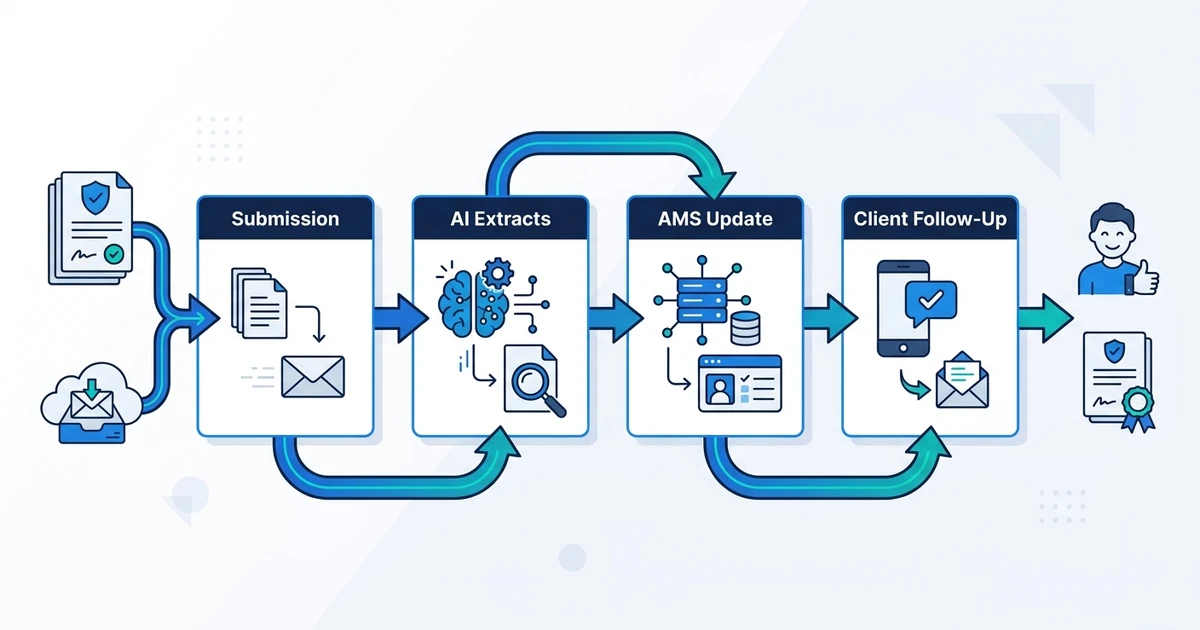
Quick Answer: AI automation for insurance agencies removes repetitive service work from submissions, renewals, client follow-up, document routing, billing checks, claims intake, and AMS or CRM updates. The best setup does not replace producers or CSRs. It removes rekeying and status-chasing so your team spends more time advising clients and closing business.
Insurance agency automation solves a problem every independent agency knows: your team is not short on work. It is short on clean handoffs.
Submissions arrive by email with attachments. Renewal follow-up lives in one queue. Carrier portal updates sit somewhere else. Claims intake, billing questions, certificates, policy changes, and client reminders all compete for the same staff attention.
The result is rekeying. Your team copies details from PDFs into the AMS, from email into spreadsheets, from carrier portals into notes, and from notes back into client messages. Automation should remove that drag without removing human judgment.
Where Insurance Agencies Lose Time Every Week
Insurance agencies lose time in fragmented systems. Your AMS may be the system of record, but the work usually starts somewhere else: email, forms, PDFs, calls, carrier portals, spreadsheets, and shared inboxes.
That fragmentation turns into repeated admin:
- Producers wait for missing submission details.
- CSRs check billing status manually.
- Renewal reminders depend on calendar discipline.
- Carrier portal updates do not always reach the client file.
- Claims intake creates another round of routing and follow-up.
Vertafore’s 2026 agency trends outlook found that almost two-thirds of respondents were optimistic about how AI can support agency work, especially data management, reporting, and back-office efficiency; it also identified client communications as the top separator for high-performing agencies in its 2026 agency trends report.
That is the right place to focus. For most agencies, the first win is not a futuristic AI project. It is fewer duplicate entries, faster client response, and cleaner task routing.
What AI Automation for Insurance Agencies Should Handle
Insurance AI automation should handle the repeatable work around service, sales support, and operations. It should not replace licensed advice, coverage decisions, or judgment calls that belong to producers and account managers.
Good first workflows usually include:
- Submission intake and document extraction.
- Renewal reminder sequences and missing-information follow-up.
- Certificate request routing.
- Claims intake capture and status updates.
- Billing status checks and policy-change task creation.
- AMS or CRM summaries after client interactions.
The goal is a cleaner work queue. Your team should see what happened, what is missing, who owns the next step, and where the record was updated.
Insurance automation should start with workflow mapping because every agency has different lines, carriers, systems, and service rules. A personal lines agency and a commercial lines shop may share the same admin pain, but the routing logic will not be identical.
Submission Intake and Document Processing Without Rekeying
Submission intake is a strong automation candidate because it creates heavy document and data work. A prospect or client sends applications, loss runs, supplemental forms, schedules, prior policy details, or other attachments. Then someone has to read, sort, and rekey.
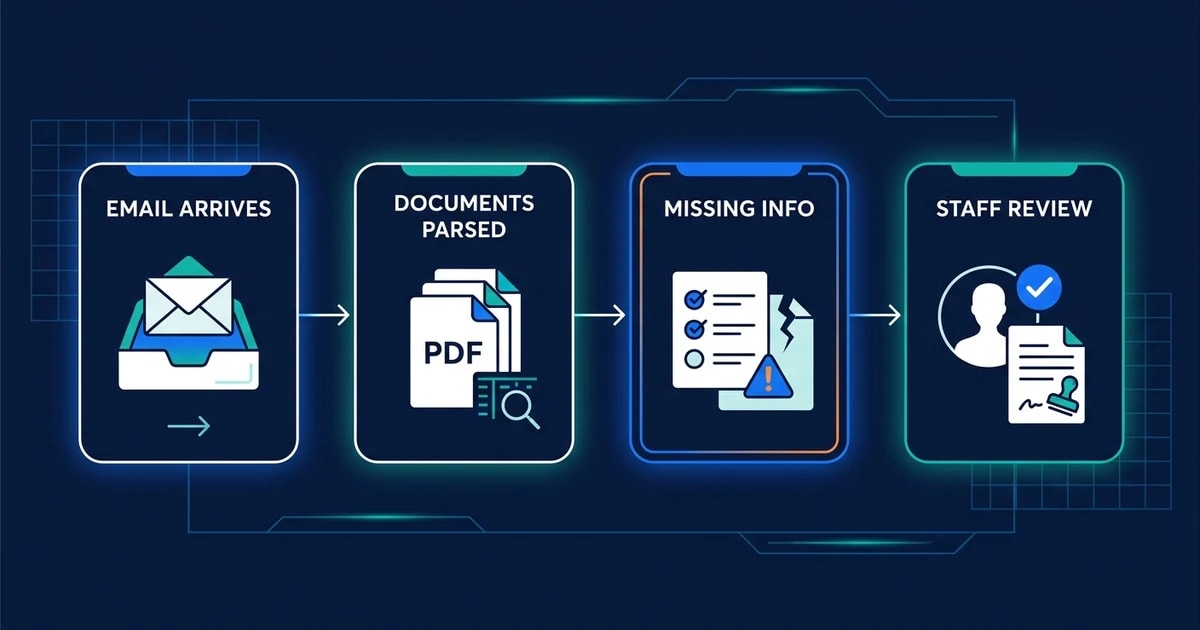
AI document processing can extract structured information from those documents and prepare a summary for staff review. The workflow can flag missing fields, identify the line of business, route the file to the right person, and create the next task.
A practical submission workflow might look like this:
- New submission arrives by email or form.
- The workflow extracts business name, contacts, effective date, line, documents, and missing items.
- The account owner receives a structured intake summary.
- Missing information triggers an approved follow-up message.
- The AMS or CRM receives a reviewed update or task.
That removes the copy-paste work while keeping the producer or account manager in control of the actual placement strategy.
Renewal Follow-Up and Client Communication Automation
Renewals create predictable work. The agency needs updated information, client confirmation, internal notes, carrier timelines, and follow-up reminders. When that work stays manual, it slips.
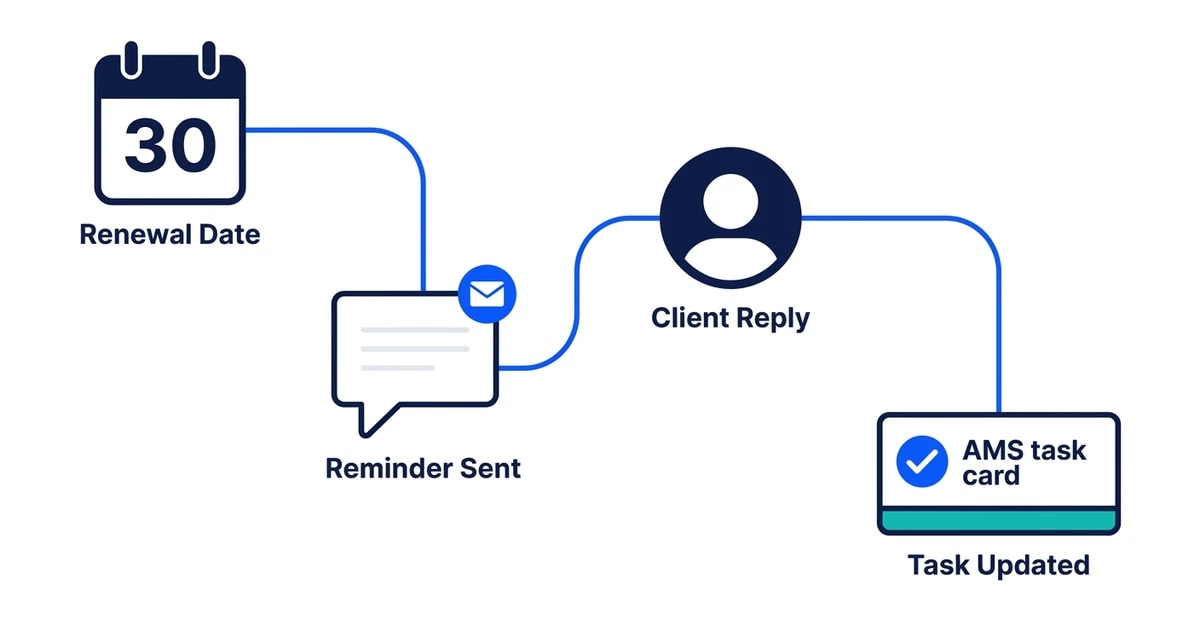
Automation can create the renewal sequence, send approved reminders, collect missing information, and update the record when a client responds. It can also flag accounts that need human attention because the client has not replied or the policy data looks incomplete.
That makes renewal communication a business issue, not just an admin issue. The agency that follows up clearly and consistently protects retention. The agency that waits until a CSR catches up creates avoidable risk.
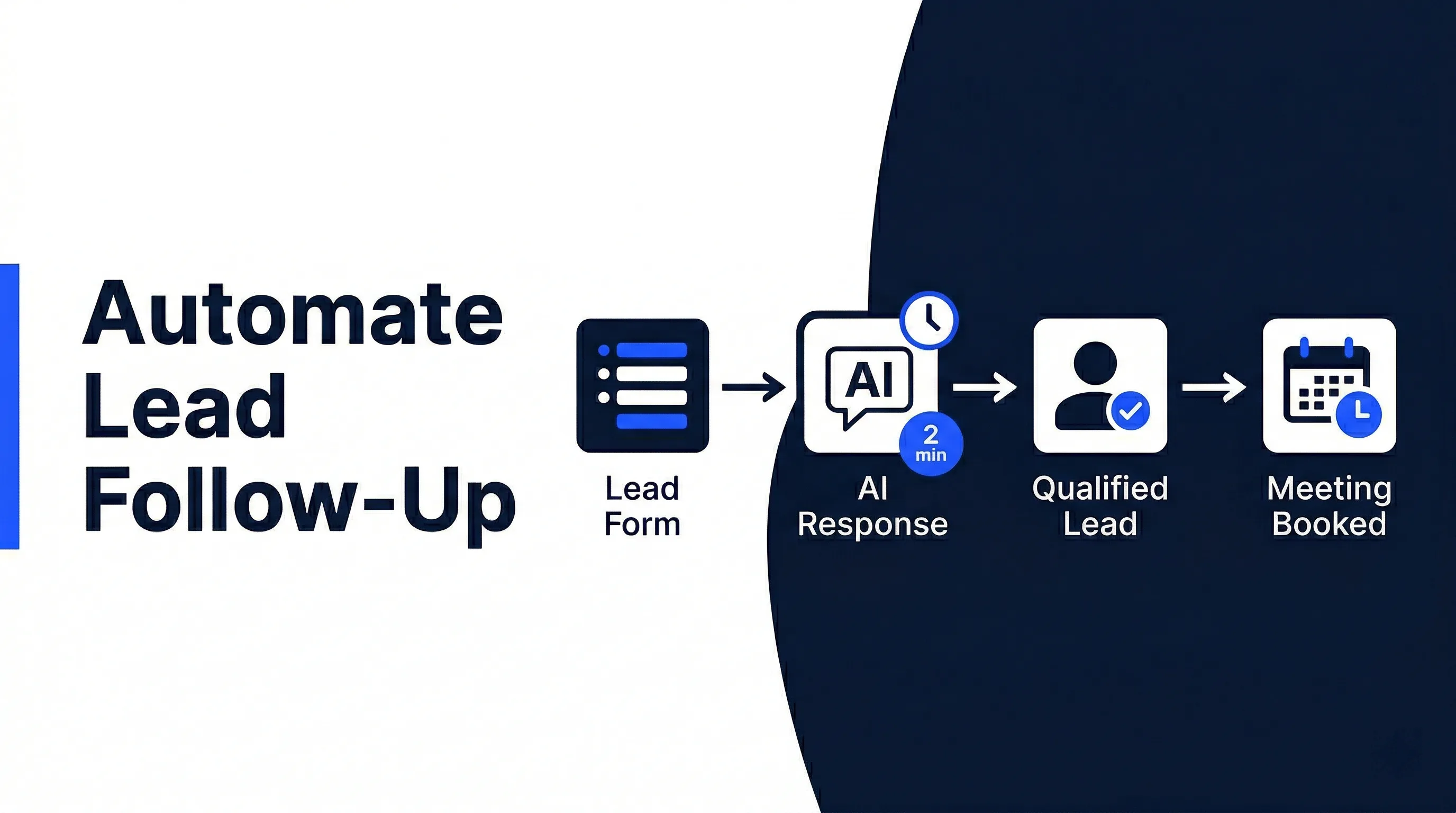
The same logic applies to new business follow-up. If an inbound lead or renewal request needs a response, an automated workflow can route it, draft the next step, and keep the timeline moving.
See how Automiq AI builds insurance agency automation around submissions, renewals, and client follow-up inside your existing tools on the AI automation for insurance solution page.
Carrier Portal, Billing, and Policy-Change Workflows
Carrier portals are necessary, but they also scatter work. Staff check billing status, look for policy changes, confirm documents, and copy information back into the agency’s system.
Vertafore’s 2025 carrier-partnership report, based on nearly 1,300 independent insurance agency professionals, found that 78% ranked ease of carrier communication as a way carriers can earn more business, while 77% said efficient carrier portals are a critical investment area according to Vertafore’s carrier process report.
The same report found that CSRs ranked checking policyholder billing status at 83% and viewing or making policy changes online at 80% as top carrier investment priorities in the CSR findings.
That is a clear signal. Service teams do not need more places to check manually. They need status information, client updates, and task routing to move back into the agency workflow.
An automation can prepare the task, collect the status, notify the account owner, and update the CRM or AMS note for review. It should not hide the source. Your team needs traceability so they can verify details when a client calls.
Claims Intake and Status Updates With Human Oversight
Claims intake is another area where automation should support staff, not replace them. A workflow can collect initial details, identify policyholder information, route the claim to the right team member, and send approved next-step instructions.
It should not decide coverage. It should not promise outcomes. It should not give advice that belongs to a licensed professional or carrier claims process.
The automation value is speed and completeness. If a client reports a claim after hours, the workflow can capture the basic facts, provide approved instructions, create a task, and make sure the right person starts with a clean summary.
That reduces the morning backlog. It also avoids the common problem where a partial voicemail becomes the only claim record until someone can call back.
AMS and CRM Integration: Why the Workflow Must Stay in Your Existing Tools
Insurance agencies do not need another disconnected app. The AMS or CRM still has to remain the operational record.
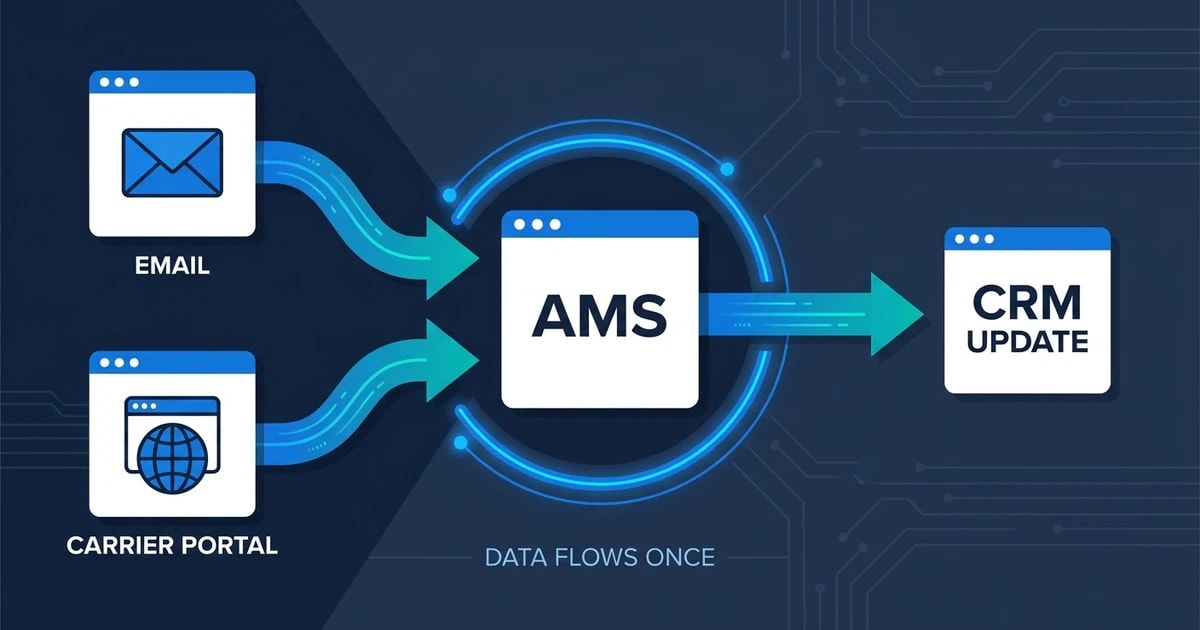
AI CRM updates matter because client communication and service history lose value when they sit outside the record. If a producer talks to a client, the renewal status changes, or a CSR resolves a billing issue, the next person should not have to search across inboxes.
Big I ACT’s Tech Trends Report says APIs, automation, and data normalization are reducing rekeying, portal fatigue, and data discrepancies, while agencies move toward connected tech stacks where the AMS launches automated processes across the customer lifecycle in its insurance technology insights.
That is the operating model to aim for. The automation should sit around the AMS, not compete with it. It should pull work from email, documents, forms, and portals into the place your team already checks.
Done-for-You Insurance Automation vs. Building It Yourself
DIY automation can work when the task is simple. A renewal reminder, a form notification, or a basic task trigger may be fine for an ops-savvy agency.
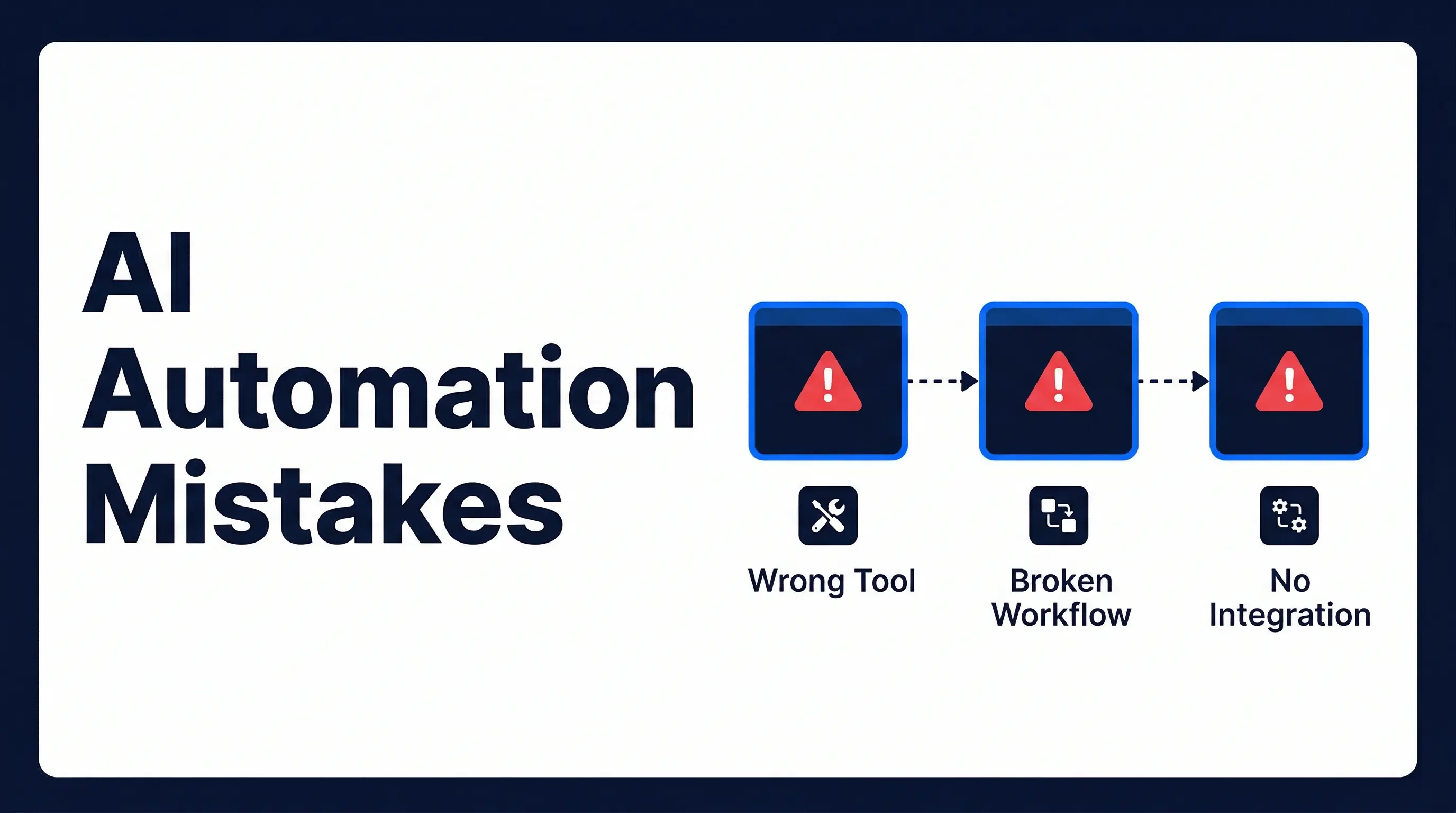
The risk grows when the workflow touches documents, client communication, AMS updates, carrier portals, audit requirements, and licensed judgment. A broken automation in that chain can create bad data, duplicate messages, or missed service tasks.
| Option | Best For | Main Risk |
|---|---|---|
| DIY workflow | Simple reminders and one-step notifications | Someone must maintain it when systems change |
| Platform feature | Tasks inside one AMS or CRM | It may not cover email, documents, portals, and follow-up together |
| Done-for-you implementation | Multi-system service workflows | Requires clear scope and review rules |
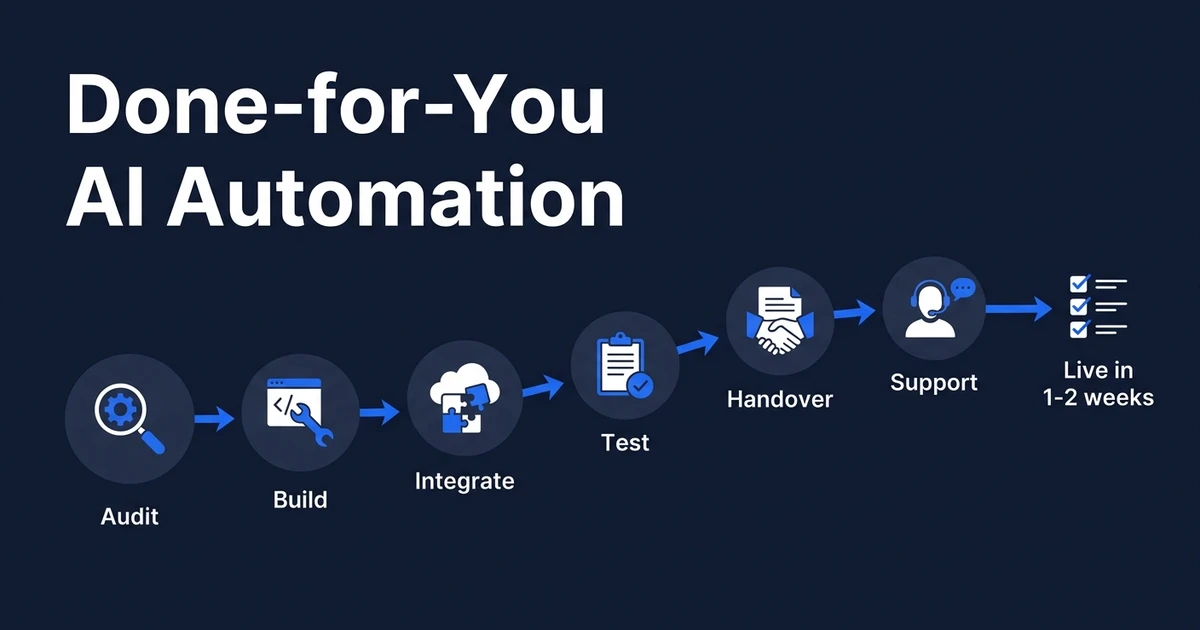
AI implementation is the better path when you want the workflow designed, built, tested, and handed over without turning your operations manager into an automation developer.
The decision is practical. If the workflow affects client communication or policy records, it deserves a real implementation plan.
What Results to Expect From the First Automated Workflow
The first workflow should prove value in one clear area. Do not start by automating the whole agency.
For a ten-person agency, the first build might target renewals and service requests:
- Renewal reminders go out on an approved schedule.
- Missing client information gets requested automatically.
- Certificate requests route to the right service queue.
- Billing questions create structured tasks.
- Client responses update the CRM or AMS task for review.
The measurable outcomes should be fewer missed follow-ups, less rekeying, cleaner records, and faster client response. Those are the operational wins that create capacity for producers and CSRs.
Once that workflow is stable, expand into submission intake, claims intake, carrier status checks, or document processing.
Frequently Asked Questions
What is AI automation for insurance agencies?
It is the use of AI and workflow automation to handle repeatable agency tasks such as submissions, renewals, client follow-up, document routing, claims intake, billing checks, and AMS or CRM updates. The goal is to reduce manual admin while keeping licensed humans in charge of advice and decisions.
Which insurance agency workflows should be automated first?
Start with workflows that happen every week and follow clear rules. Submission intake, renewal follow-up, certificate requests, claims intake routing, and billing status tasks are usually strong first candidates.
Can insurance AI automation work with my AMS?
Yes, if your AMS can connect through integrations, exports, email parsing, forms, APIs, or workflow tools. The automation should keep the AMS as the system of record while reducing the manual work around it.
Will AI replace producers or CSRs?
No. A well-designed workflow removes rekeying, reminders, routing, document checks, and status-chasing. Producers and CSRs still own client advice, coverage decisions, relationship management, and exceptions.
Should an agency build automation itself or hire someone?
Build it yourself when the workflow is simple and someone can maintain it. Hire a done-for-you implementation partner when the workflow touches client communication, documents, AMS updates, carrier portals, and audit requirements.
Conclusion
Insurance agencies do not need AI theater. They need fewer repeated entries, faster client communication, cleaner service queues, and better handoffs between email, documents, carrier portals, and the AMS.
Start with one workflow that creates visible drag. Renewals, submissions, certificates, claims intake, and billing checks are strong candidates because they repeat often and affect client experience.
Book a discovery call with Automiq AI to map one high-volume insurance workflow we can automate first.