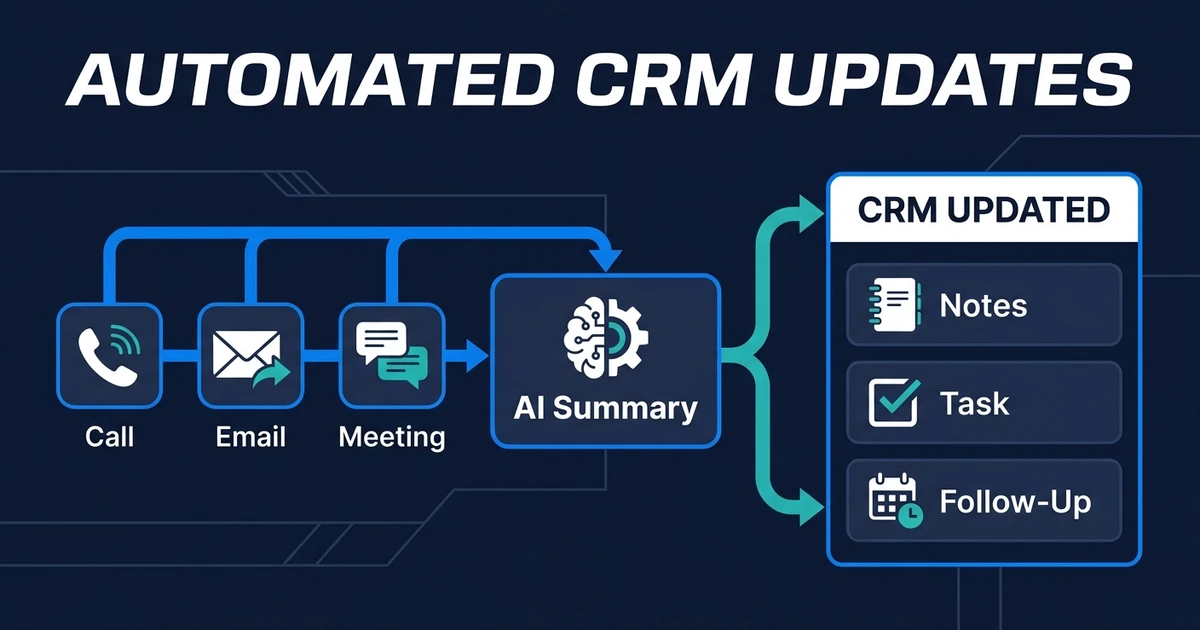
Automated CRM Updates: Keep Records Current After Every Call
See how automated CRM updates turn calls, emails, and meetings into current records, tasks, and follow-ups without manual CRM cleanup tasks.
See how automated CRM updates turn calls, emails, and meetings into current records, tasks, and follow-ups without manual CRM cleanup tasks.
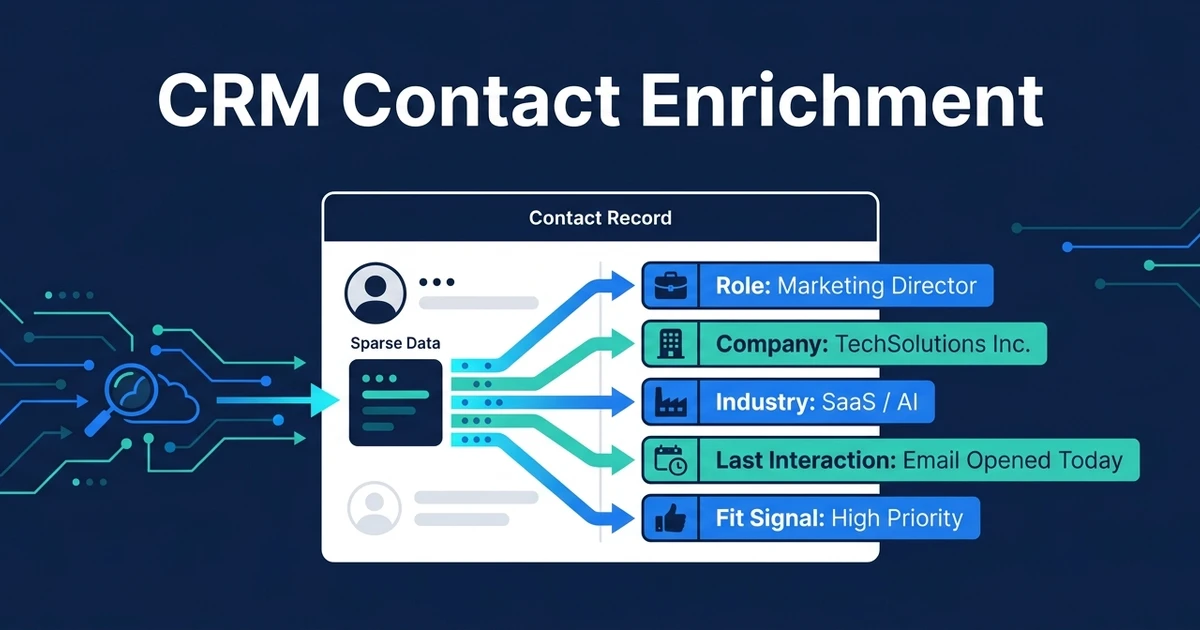
Learn how CRM contact enrichment fills useful customer context so your team can segment, prioritize, and follow up with less manual research.
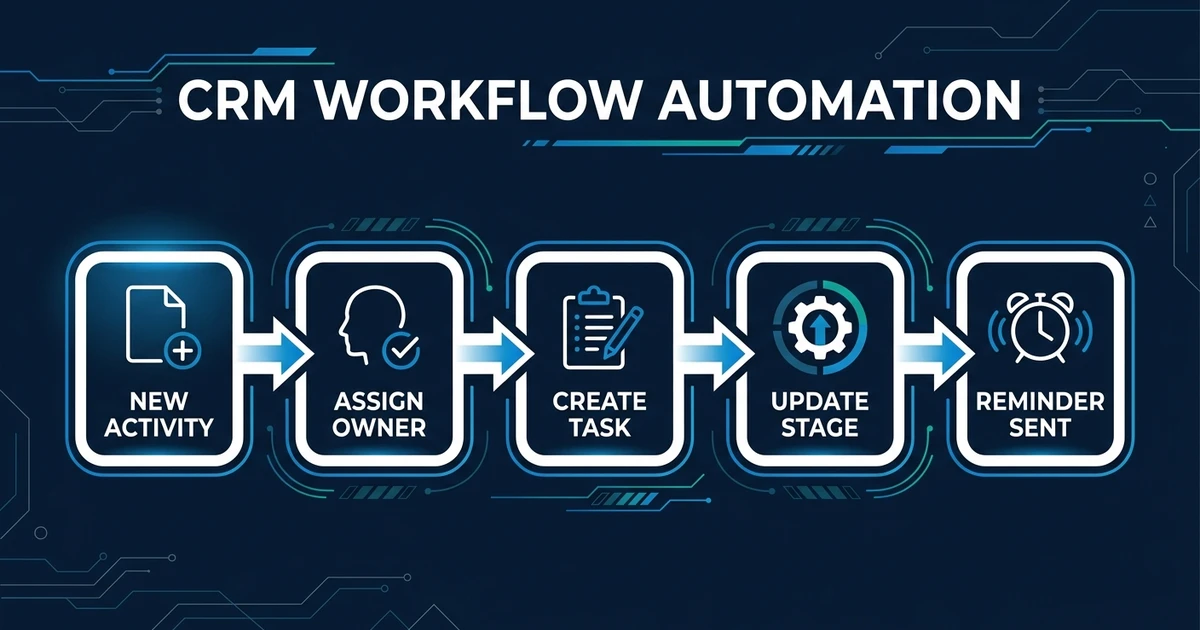
Use CRM workflow automation to assign owners, create tasks, update stages, and prevent missed handoffs inside the CRM your team already uses.
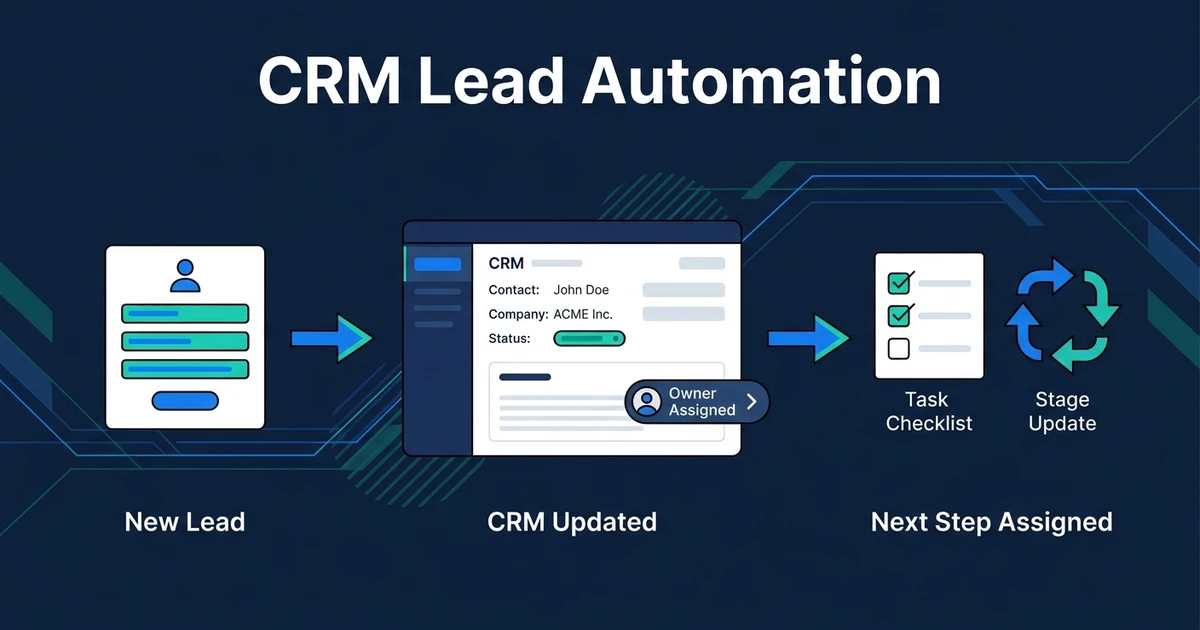
Learn how CRM lead automation updates records, owners, stages, and next steps so your team stops chasing manual admin after every new inquiry.
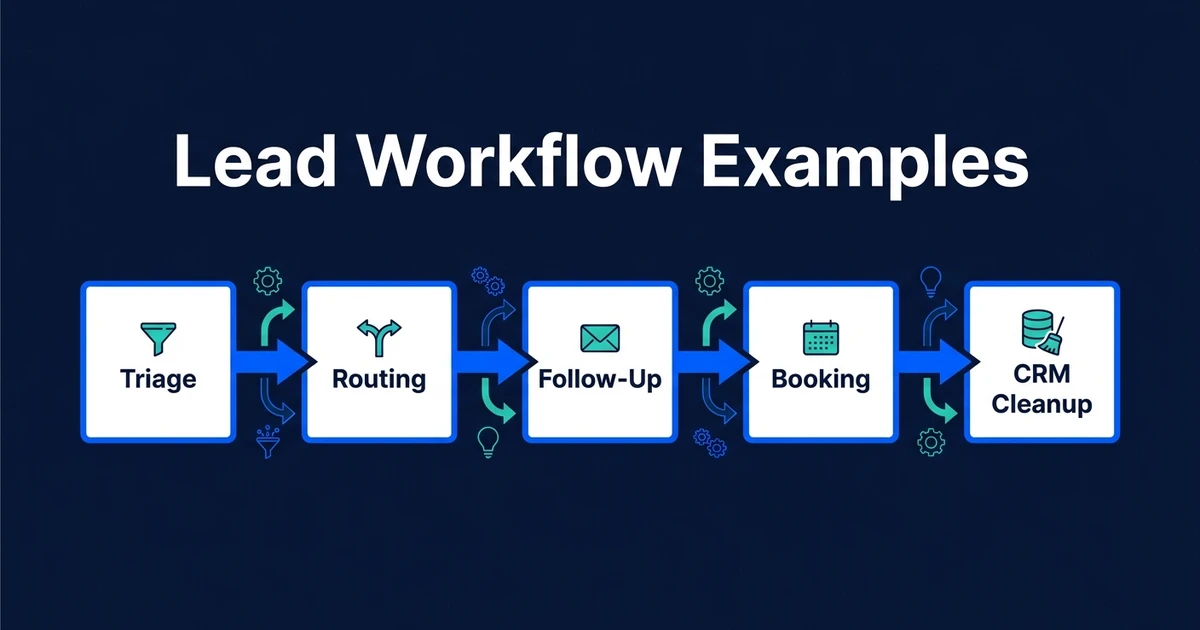
Use these lead management workflow examples to choose the first automation that fixes missed follow-up, slow routing, messy CRM updates, and lost bookings.
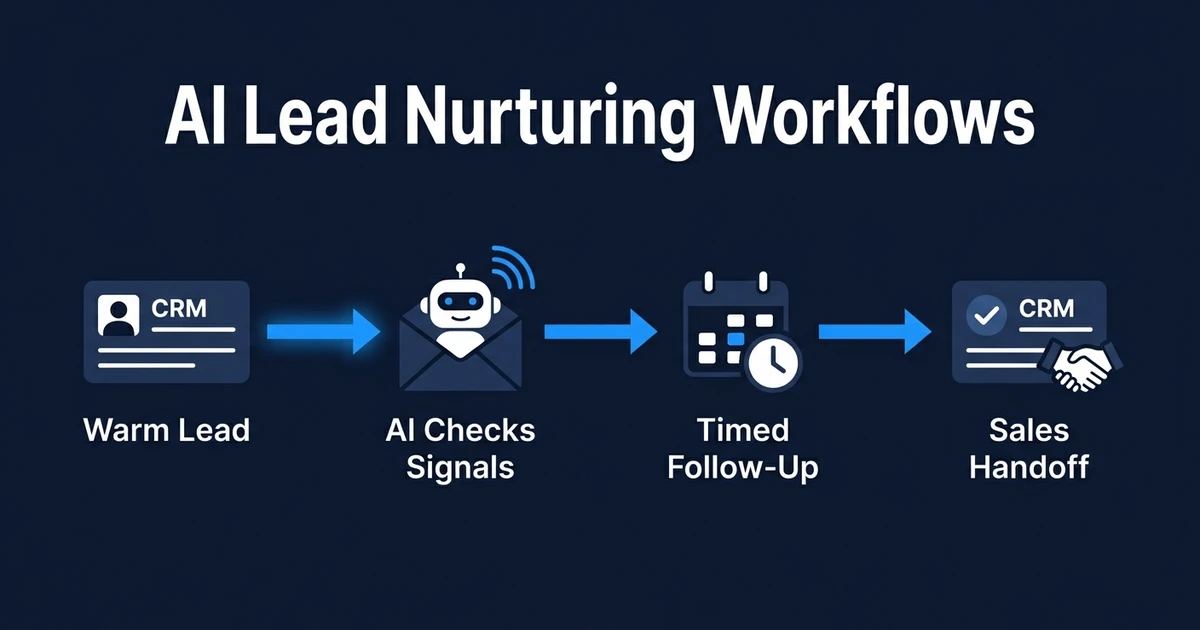
Learn how AI nurture workflows keep warm prospects engaged after first contact, trigger timely follow-ups, and move ready buyers back to sales.