EN
EN DE
DE ES
ES FR
FR NL
NL PT
PT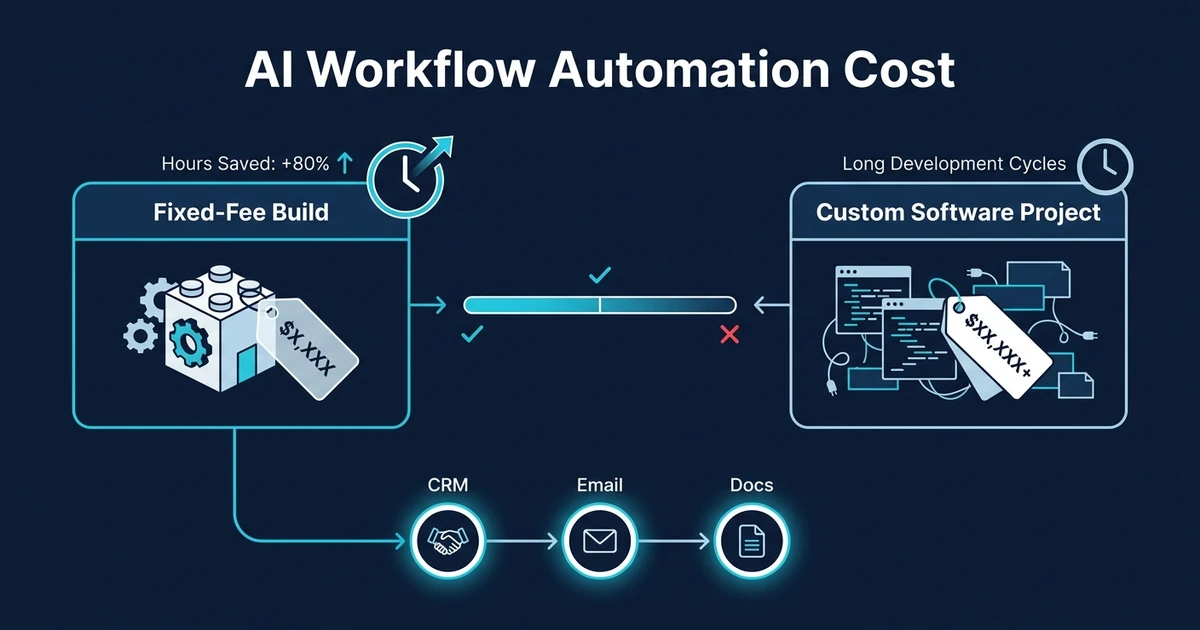
Quick Answer: AI workflow automation cost depends on scope, tool access, workflow complexity, and how much custom engineering is required. A small fixed-fee automation build can make sense when you need existing tools connected around a repeatable process; a broader custom build fits when you need a SaaS product, mobile app, portal, data layer, or AI product around that process.
AI workflow automation cost should be judged against the outcome, not the label on the service. A small business that needs CRM updates, lead follow-up, and document drafting does not always need a custom software project.
It needs the manual work removed from the process it already runs.
That is where fixed-fee automation can be the smarter first move. You pay for a scoped workflow, prove the time savings, and expand only when the return is visible.
What drives AI workflow automation cost?
The biggest cost driver is not the AI model. It is the workflow.
A workflow becomes more expensive when it touches more tools, handles messy data, affects customers, or needs human approval before acting. A private reminder workflow is simple. A lead qualification workflow that updates your CRM, drafts an email, creates a task, and routes exceptions needs more design and testing.
The main cost drivers are:
- Number of workflows included
- Tools connected
- Data quality and field mapping
- Customer-facing risk
- Human approval rules
- Exception handling
- Testing requirements
- Handoff and support
McKinsey estimates that generative AI and other technologies have theoretical potential to automate work activities occupying 60% to 70% of employee time in its productivity research. The cost question is which slice of that work is worth automating first.
When does a fixed-fee automation build make more sense?
A fixed-fee build makes sense when your team already has the tools, the process repeats every week, and the workflow can be defined clearly before work starts.
That usually includes lead response, CRM updates, meeting follow-up, proposal generation, document processing, appointment booking, and internal notifications.
Automiq AI is designed for this kind of buyer. The starting offer is not a subscription or open-ended consulting retainer. It is a scoped build that connects automation to the tools your team already uses, with room to grow into a custom product when the scope requires it.
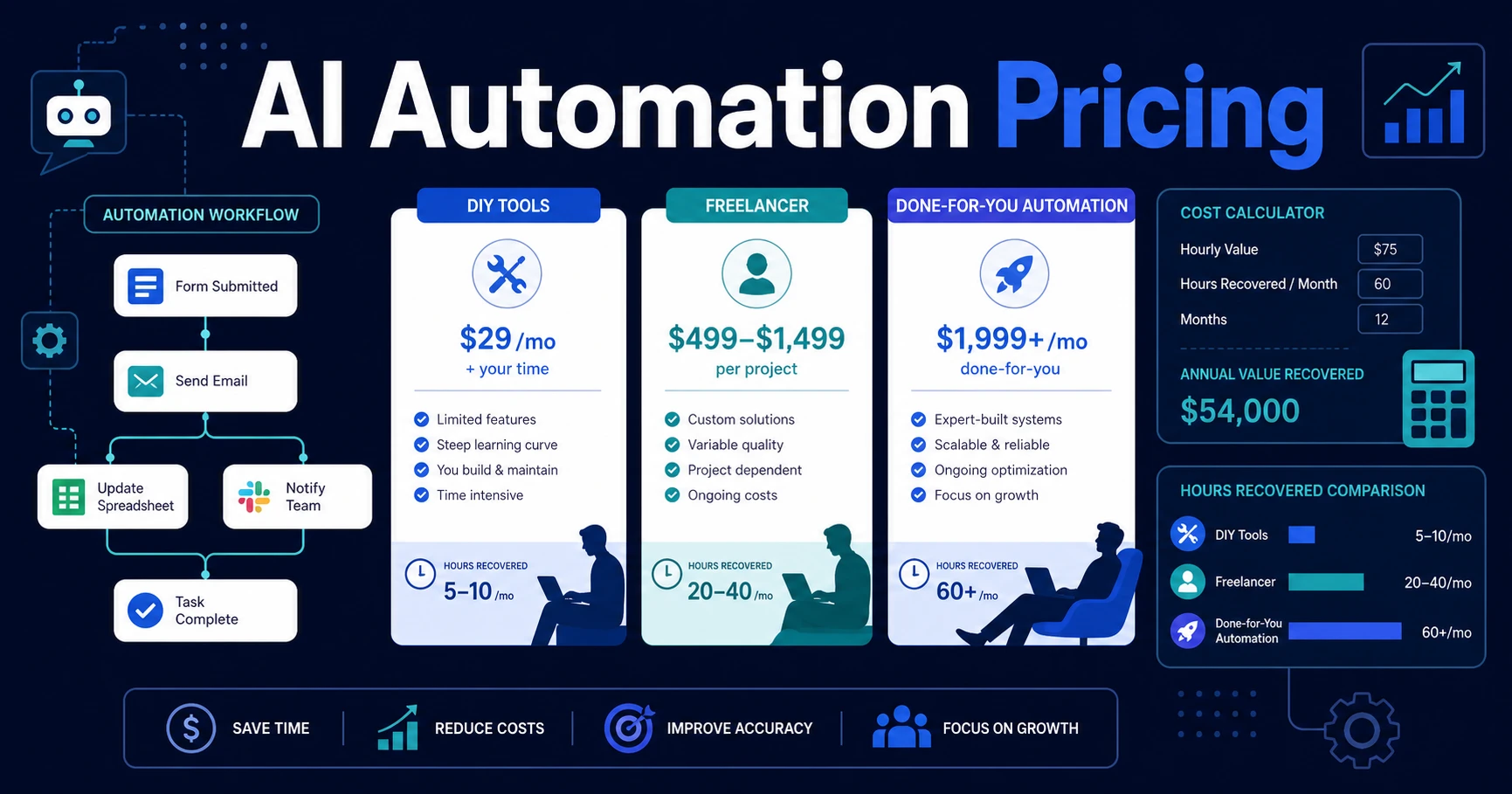
The current packages are Starter Automation at $99 to $499, Growth Package at $699 to $1,699, and Full Transformation with custom pricing. Those tiers let a small business compare automation against the cost of manual admin before committing to a broader build.
Use fixed-fee automation when:
- You can name the manual process.
- The same steps happen repeatedly.
- The inputs come from known tools.
- The output can be reviewed or measured.
- Your team wants the work done for them.
If the project cannot be scoped, fixed-fee pricing becomes risky for both sides. That is usually a signal to simplify the first workflow.
When does automation become a custom software build?
Sometimes the right answer is not only a workflow. The business may need a custom SaaS product, customer portal, mobile app, data layer, or AI product where automation is part of the core experience.
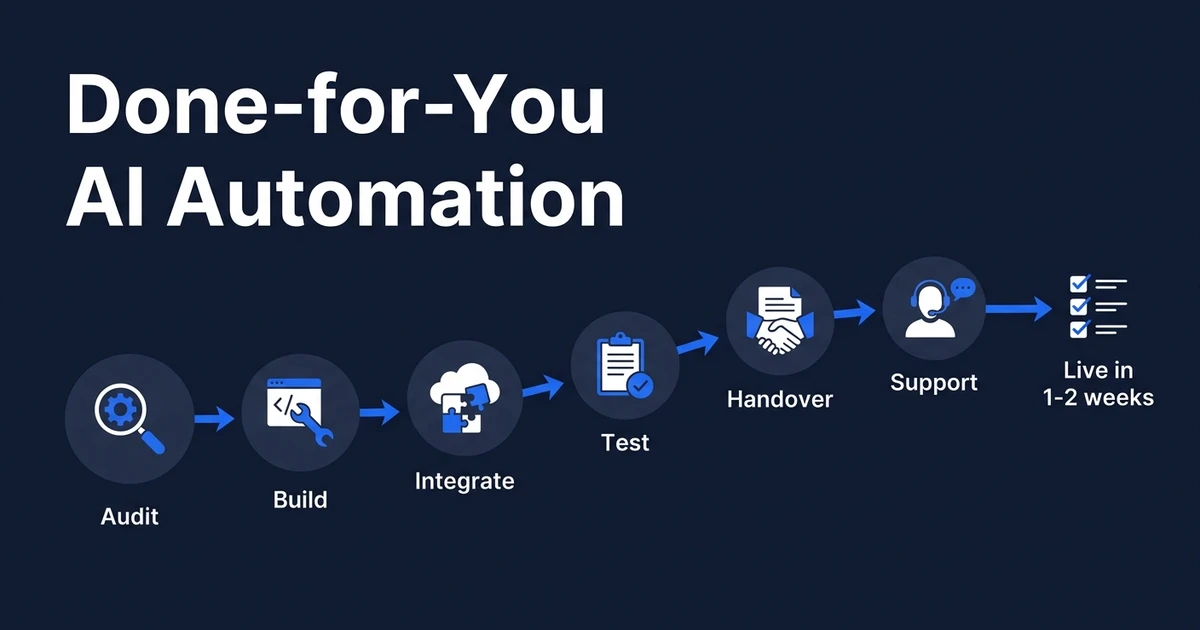
Automiq AI can support that broader build too. The cost changes because the work expands from connecting existing tools to designing product flows, interfaces, data models, permissions, integrations, and launch handoff.
| Need | Better starting point | Why |
|---|---|---|
| Connect CRM, email, calendar, and docs | Fixed-fee automation | The tools already exist and need coordination |
| Build a new customer-facing product | Custom SaaS, app, or portal build | The interface, data model, and product logic must be built |
| Automate a repeated admin process | Fixed-fee automation | Scope can be mapped to one workflow outcome |
| Create AI infrastructure for scale | Custom AI software build | Architecture, monitoring, and engineering handoff matter more |
This distinction protects your budget. A workflow automation project should not be inflated into a product build before it needs to be. A real product build should not be squeezed into a simple automation package if customers, permissions, data models, and long-term product behavior are part of the requirement.
For many small businesses, AI implementation service is the better first phase because it turns a known process into a working system before you commit to a broader custom product.
Compare your current admin workload against AI automation pricing before you fund a larger build. The right first project should show measurable time back, not just technical possibility.
How much does manual admin already cost your business?
Manual admin has a payroll cost, but it also has an opportunity cost. The person updating records, chasing follow-ups, and copying data is not selling, serving clients, or improving delivery.
BLS reports that office and administrative support occupations had a median annual wage of $46,320 in May 2024 in its occupational outlook data. That gives you a conservative benchmark for routine coordination work.
Now look at the process your team repeats every week. If customer inquiries need manual triage, CRM updates happen after calls, and proposals require copying details into templates, the cost is not one task. It is the chain of tasks around every customer interaction.
The first automation should target the chain that repeats most often and creates the most delay when it fails.
Is Automiq AI right for my budget?
Automiq AI is a strong fit when you want to remove a defined workflow from your week before hiring an internal developer or funding a larger product build.
It is also a fit when your team already uses tools like a CRM, inbox, calendar, forms, documents, and spreadsheets. The value comes from connecting those tools around real work.
If you need a new app, custom platform, or deeper engineering build, Automiq AI can scope that as a custom build instead of pretending it is the same as a simple workflow. The budget should reflect which layer you are buying: workflow automation, product build, or both.
Deloitte found that 54% of surveyed organizations sought efficiency and productivity improvements from generative AI, but only 38% tracked changes in employee productivity in its Q3 generative AI survey. Your budget decision should avoid that mistake. Define the workflow, measure the time saved, then decide what to build next.
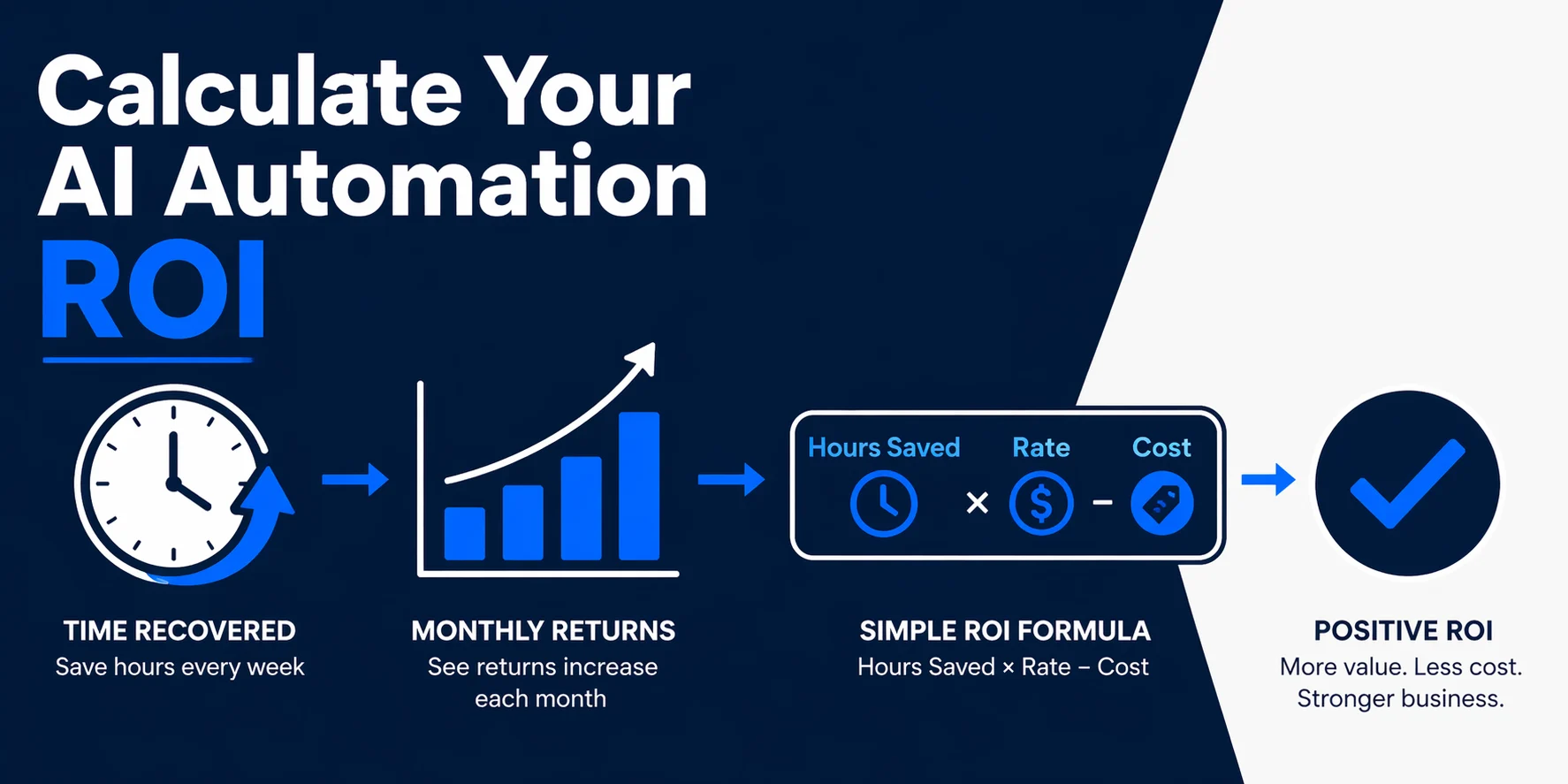
If you are unsure where to start, use the AI automation ROI approach: calculate the hours lost, pick the most repeated workflow, and compare the build cost against the time recovered.
Frequently Asked Questions
What drives AI workflow automation cost?
This cost is shaped by workflow scope, systems connected, data quality, approval rules, testing, and support. A workflow that touches customer data and CRM updates needs more care than a private internal reminder.
How much should a first AI workflow cost?
A first workflow should be priced against the manual time it removes and the risk of the process it touches. For small businesses, a fixed-scope build is usually easier to judge than an open-ended technical engagement.
Why are custom AI software projects more expensive?
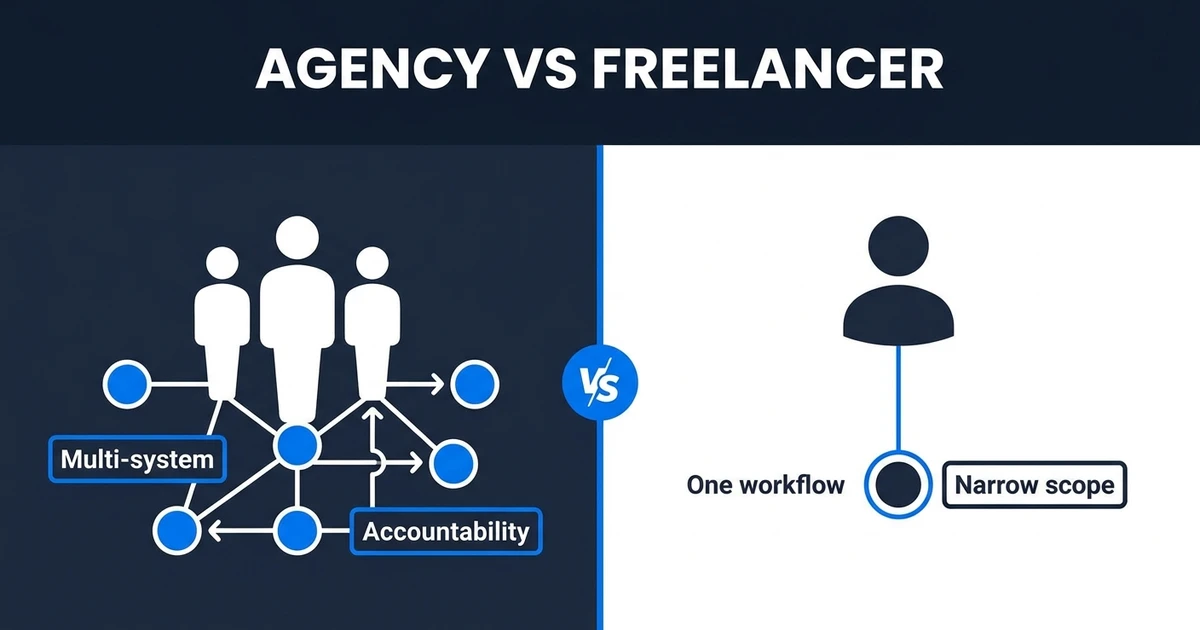
Custom software projects often include product design, architecture, databases, user interfaces, deployment, monitoring, and long-term engineering handoff. Workflow automation can be cheaper when the tools already exist and the goal is to connect them.
Automiq AI can scope either path. The important part is naming whether the buyer needs a workflow, a product build, or both.
Is fixed-fee automation cheaper than hiring an employee?
It can be, especially when the work is repeatable admin rather than a full-time operational role. The comparison should include salary, management time, software costs, and the delay before a new hire is productive.
What costs continue after the automation is built?
You may still pay for third-party tools such as workflow platforms, AI APIs, CRM plans, or email software. Automiq AI does not require an ongoing retainer for fixed-scope builds, but your external tool subscriptions remain your responsibility.
Conclusion: pay for the outcome your business actually needs
The cheapest automation is not always the best choice. The most expensive AI build is not automatically more serious. The right spend is the smallest reliable system that removes the most repeated work.
Start with one workflow your team already runs by hand. Scope it clearly. Build it inside the tools you already use. Measure the hours recovered before expanding.
Book a free discovery call and Automiq AI will help you identify the first fixed-scope workflow that can return measurable time to your week.