Quick Answer: Choose among Copilot Studio alternatives by the business actions the agent may take, the systems it must access, and the evidence you need before release. Keep the current enterprise platform when its controls fit; compare other managed tools when the workflow requires a different operating model; build a custom layer when approved action, data, or deployment boundaries cannot be expressed cleanly.
An internal agent that answers a policy question is one kind of system. An agent that changes a customer record, approves an invoice, or triggers a renewal is another. The second system needs explicit authority and an owner when its answer is wrong.
That is why the search for Copilot Studio alternatives should start with actions, not feature grids. Automiq AI works across software, AI products, and integrations, so the first recommendation can be to keep the platform you already use if it handles the real workflow well.
Why Does an Agent Pilot Become Hard to Govern at Scale?
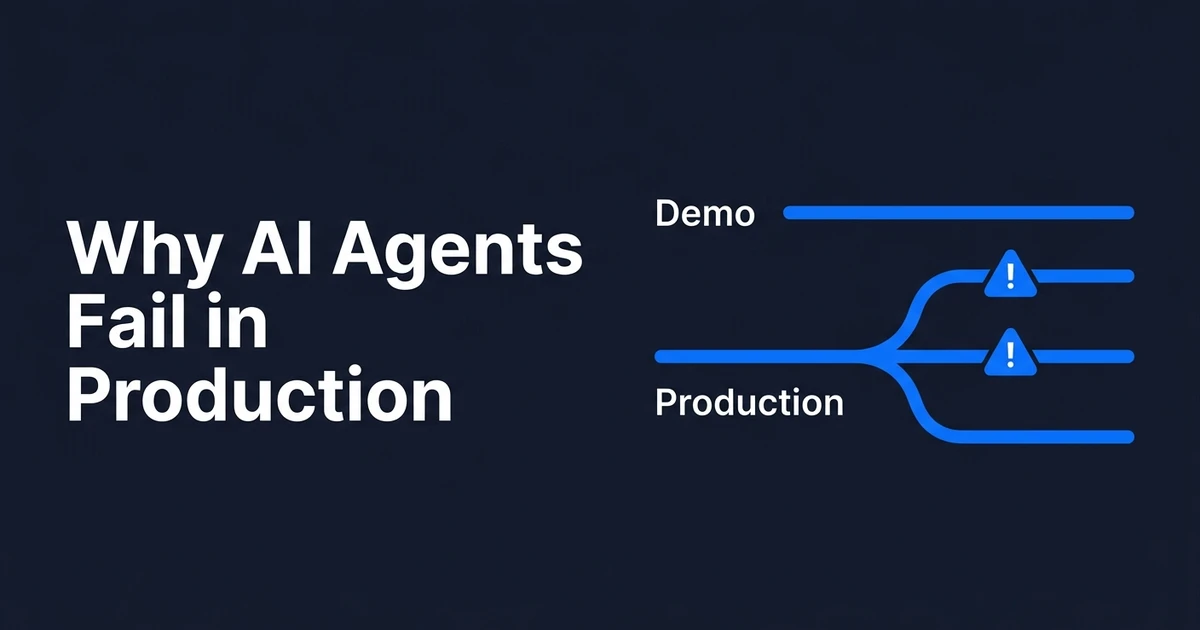
A pilot often uses a narrow set of documents, friendly users, and a person watching every result. Production adds changing records, unclear requests, conflicting permissions, and actions that affect other teams. The agent may retrieve the right document but attach it to the wrong account. It may draft a correct response and then send it to the wrong recipient.
McKinsey’s 2025 State of AI survey found that 23% of respondents said their organizations were scaling an agentic AI system somewhere in the enterprise, while another 39% had begun experimenting. That gap does not prove any platform is weak. It shows why pilot success should not be treated as operational proof.
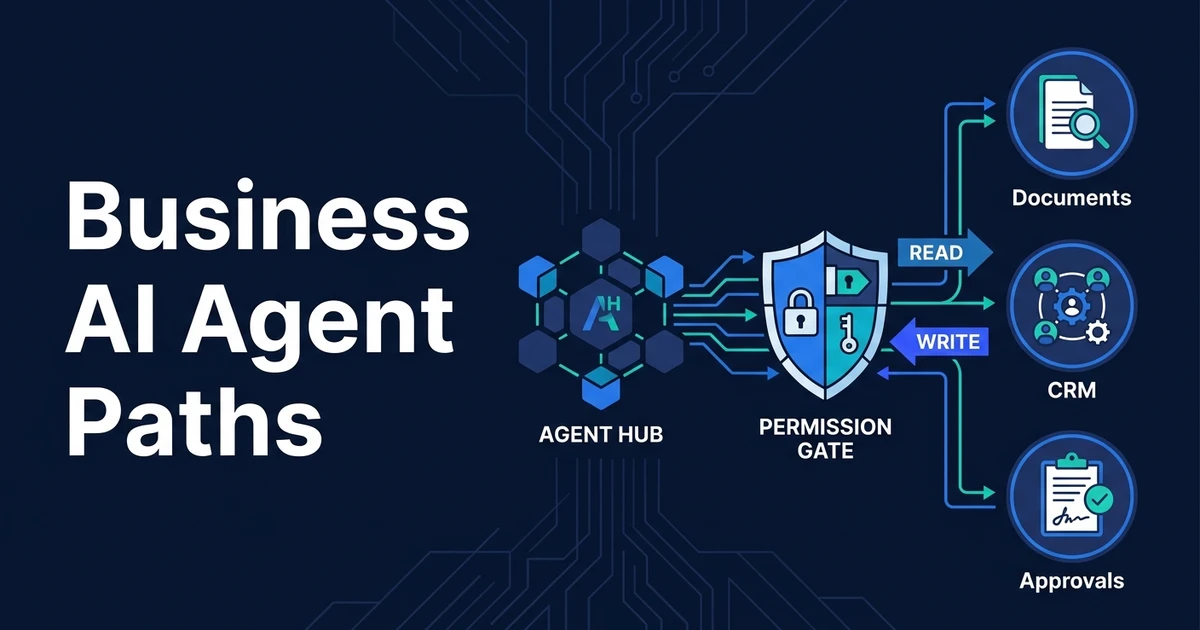
Governance is practical work. You need to know which identity the agent uses, which data it can read, which tool calls it can make, what it logs, and who can stop it. These decisions must be visible to the buyer and operations owner, not buried in a prompt.
What Actions Can the Agent Take Without Human Approval?
Build an action-risk ladder before deciding on technology. Different actions demand different evidence.

| Action level | Example | Required control |
|---|---|---|
| Read and answer | Summarize a contract for an authorized user | Source permissions, citations, and retrieval tests |
| Draft | Prepare a renewal email for review | Reviewer identity, editable draft, and source trace |
| Propose an update | Recommend a CRM status change | Explicit approval, before/after record, audit log |
| Write autonomously | Change an account or trigger a workflow | Narrow scope, monitoring, rollback, and incident owner |
The ladder protects you from treating a successful chat response as permission for autonomous writes. It also helps a vendor propose a smaller first milestone. If the business value appears at the draft stage, do not pay the operational cost of full autonomy yet.
For each level, ask what happens when the agent sees stale data, a prompt that attempts to override instructions, or a tool timeout after an action partially succeeds. A good design has a visible review boundary and a way to recover. It does not rely on the model always making the right call.
Make the approval boundary legible to the user. A draft should show its source and the record it will change. An approved update should show the old value and proposed new value. If the action is rejected, the agent should retain the decision for audit without trying the same write through another route. These details let an operations owner accept or reject the risk in a real workflow.
Which AI Agent Platform Path Fits the System Boundary?
Compare the path against your approved systems and action ladder. Each option can be right for a different operating model.
| Path | Strong fit | Question to resolve |
|---|---|---|
| Keep the current enterprise platform | Most data and users already live in its ecosystem | Can its configured controls express your exact workflow? |
| Use another managed agent platform | A different interface or deployment model is required | Who owns connectors, logs, and incident support? |
| Orchestrate with a workflow tool | Actions are bounded and mostly deterministic | Where are approvals, retries, and audit events stored? |
| Build a custom agent product | Agent behavior is core to the service or product you sell | Can your team own evaluation and operations after handover? |
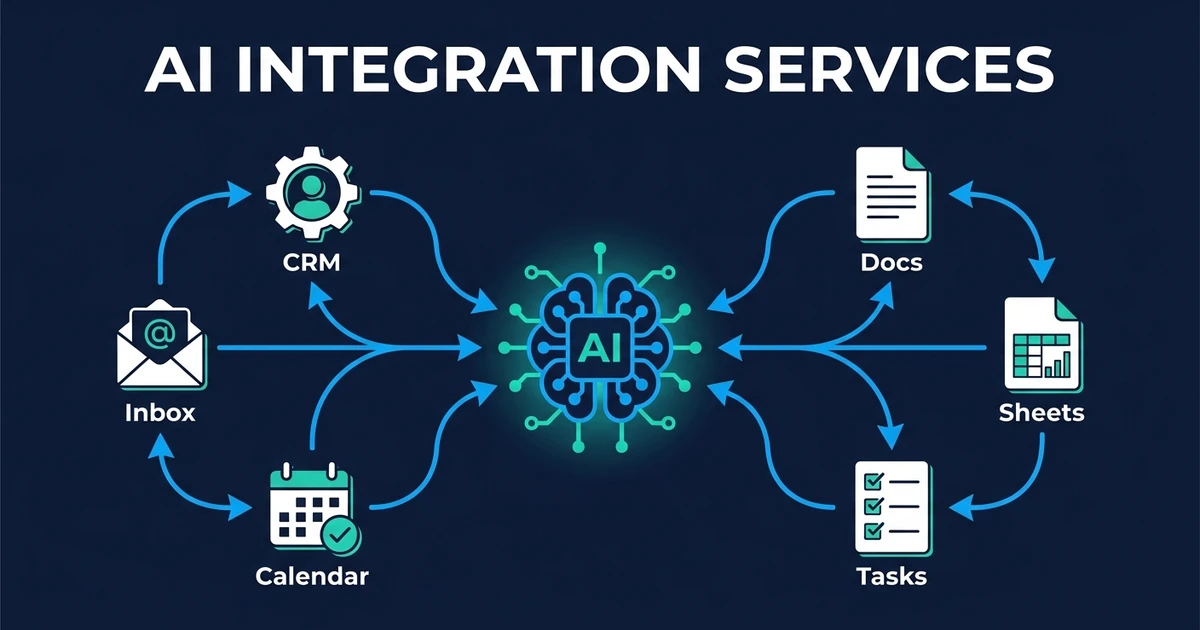
Named managed candidates include Google Cloud’s Vertex AI Agent Builder and Salesforce Agentforce. A team already operating on either platform can test one permissioned workflow there. LangGraph is a code-first orchestration framework rather than a managed platform replacement. Copilot Studio itself supports connectors to Microsoft and non-Microsoft systems, so a cross-system requirement alone does not establish a need to leave. Compare approval, action logs, failure recovery, and deployment obligations in the actual workflow.
Microsoft-first delivery is a legitimate advantage when users, identity, documents, and approvals already live in that environment. A custom layer should not be the default. It becomes relevant when a cross-system workflow needs a specific user interface, policy boundary, evaluation process, or deployment model that a managed product cannot meet in your context.
Assess vendor claims with a live workflow. Connect a test account, run a real permission check, inspect the action log, and simulate a failed tool call. The question is not how many connectors appear on a catalog page. It is whether the one action that matters can be controlled and recovered.
If the platform decision is unclear, scope the agent’s governance and integration plan. Bring the proposed actions, data owners, and approval policy so the first output is a tested boundary rather than a generic AI roadmap.
How Will You Evaluate Responses and Tool Actions Before Release?
Imagine a finance-operations assistant that reads renewal terms from contracts and prepares a CRM update. Some contracts are old, some share customer names, and some users lack permission to see pricing. This is a hypothetical test case, not a claim about a live client.
Create an evaluation set that includes a correct renewal, an ambiguous account, an outdated document, a missing permission, a malicious instruction in a retrieved file, and a tool timeout. For each case, define the acceptable response, whether a human must approve, what appears in the audit log, and how the system recovers if the tool action partially completes.
Track more than answer quality. Measure unauthorized-action attempts blocked, wrong-account retrieval, approval overrides, correction rate, latency, and cost per completed workflow. If the agent cannot pass the read-only cases reliably, it should not receive write access. AI production failure modes become easier to manage when the release gate is explicit.
NIST’s 2024 Generative AI Profile identifies risks specific to generative AI and proposes risk-management actions. It is voluntary guidance, not a certification. Use it as a prompt to define tests, monitoring, and human oversight that match the consequence of a wrong action.
When Is the Existing Enterprise Platform the Right Choice?
Keep it when approved connectors reach the required systems, access checks match your policy, evaluation can be repeated, and support staff can diagnose failures. Moving to another agent platform may only transfer configuration work and create a second governance surface.
Keep it when the task is still exploratory. A narrow read-only assistant may answer the business question without a custom build. If no one owns the downstream workflow, an agent with more autonomy will amplify uncertainty rather than remove it.
Move only after a defined requirement fails a test: a necessary action cannot be approved at the right point, records cannot be isolated by role, the interface cannot fit the user journey, or operational telemetry cannot support the service level your business needs. Make that failure visible in the scope.
Who Owns the Agent After the First Deployment?
An internal platform team can own configuration and policy when it has the capacity. A specialist integrator may connect a bounded system. For a freelancer-led action, confirm who owns architecture, evaluation, and incidents. For a larger development team, ask who remains accountable when the model or connector changes.
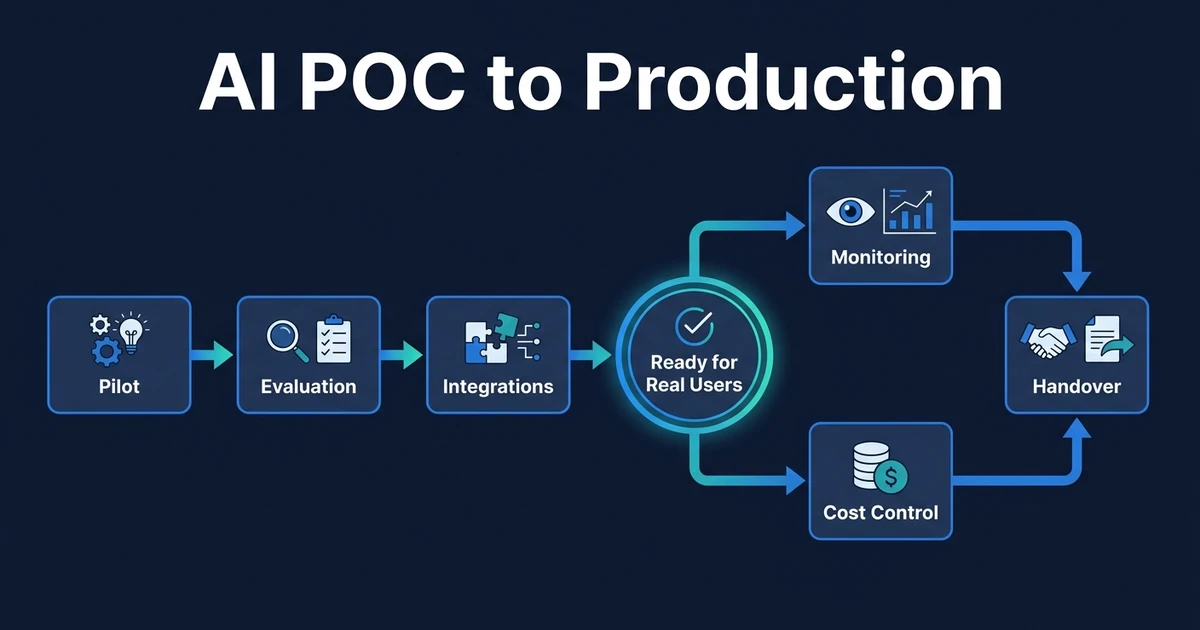
A senior engineering partner should deliver a test set, permission model, observability, runbook, and handover along with code. Automiq AI’s AI product and platform engineering covers that production layer when a managed platform alone cannot meet the requirement. AI integration with existing systems may be the smaller answer when the current platform needs only a bounded connection.
Your scope should identify the post-launch owner by name or role. Model behavior, connector failures, and access changes will not respect a project end date. A sound handover explains who updates the evaluation set and who can turn off an action before users are affected.
Frequently Asked Questions
What are the main enterprise AI agent alternatives?
You can keep your current platform, use another managed agent product, orchestrate a bounded workflow, or build a custom AI layer. Compare these against the systems and actions your agent actually needs. Avoid choosing from a feature checklist alone.
When are other agent platforms worth evaluating?
Evaluate them when a required data boundary, action control, interface, or deployment need fails in the present setup. Run one representative workflow end to end. A different model or demo interface is not, by itself, a reason to move.
Do we need to leave our existing stack to build a custom agent?
No. A custom agent can still use approved identity and integrate with systems your team already runs. The architecture decision concerns control, evaluation, and ownership. Keep useful infrastructure in place.
How do we test an agent before it writes to business systems?
Test correct, ambiguous, stale, and unauthorized cases. Verify proposed action, approval, audit record, retry behavior, and reversal. Grant broader action only after the lower-risk modes pass.
Who handles an AI agent failure after launch?
Name owners for model behavior, connectors, access, monitoring, and incidents. Give users an escalation route and give operators a way to disable risky actions. Document this whether the agent is managed or custom.
Conclusion: Choose the Operating Model Before the Agent Builder
The right agent platform is the one whose controls match the actions you are willing to delegate. Keep the current tool when it passes real workflow tests. Move or build when a defined boundary cannot be met and you have an owner for what happens after launch.
Scope an agent platform decision using your data sources, action ladder, and acceptance cases. Automiq AI can turn that evidence into a managed-platform or custom-build recommendation with a clear handover owner.