Quick Answer: The best path from an AI-built prototype to a production app depends on what is actually blocking launch. Keep the current builder if the core flows pass review, switch tools if the editor or workflow is the constraint, harden the code if risks are local, and rebuild only the layers whose design cannot safely serve customers.
You have a demo that works. Now you need accounts that cannot see each other’s data, releases you can roll back, and an answer when a customer reports a bad invoice.
That is the real search behind Lovable alternatives for production apps. Automiq AI helps founders make this decision at the point where a prototype becomes a product people pay for. A different builder may help, but the first step is to locate the actual blocker.
Why Does a Working AI App Demo Still Fail the Paying-User Test?
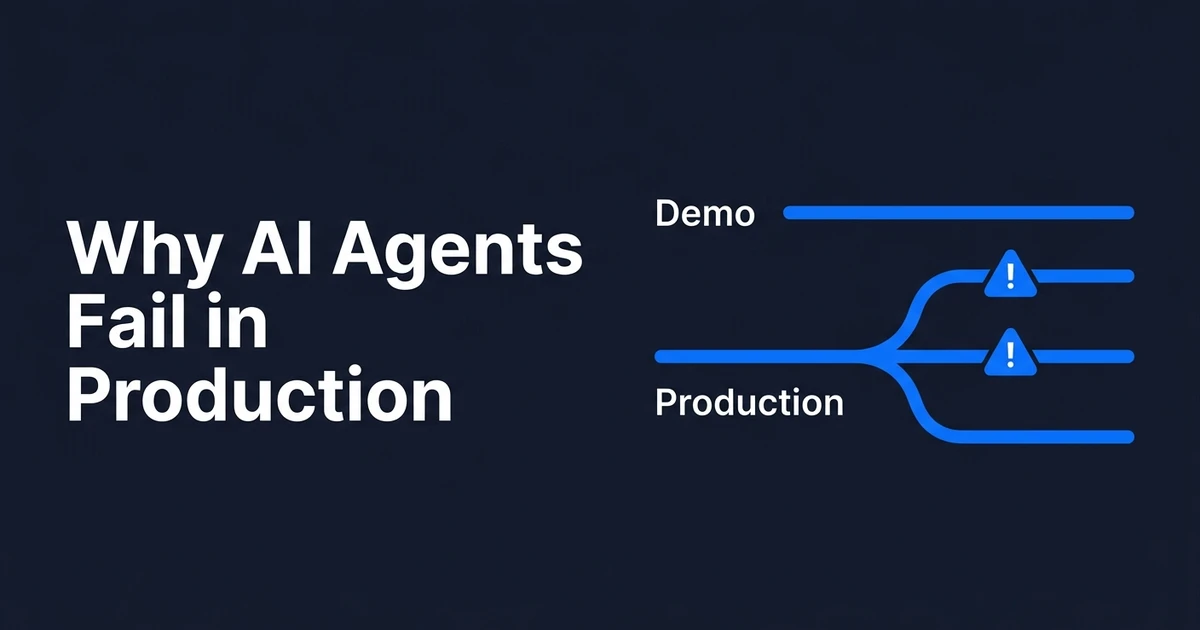
A demo proves that a happy-path user can reach an outcome. A production release must also survive the wrong account, expired session, failed payment event, broken integration, and partial database write. Those paths rarely appear in a founder’s first walkthrough.
Ask a sharper question than “does the app work?” Ask whether a user in Company A can read Company B’s records by changing a URL or API request. Ask whether a failed payment webhook can create a paid account without a matching transaction. Ask whether you can restore the database and redeploy the last good version without the original builder account.
The 2025 Stack Overflow Developer Survey found that 46% of respondents distrusted the accuracy of AI-tool output, compared with 33% who trusted it. That is a finding about developer judgment, not a failure rate for any builder. It supports a practical rule: verify the code and behavior before customers depend on them.
This also explains why AI systems can fail after a successful demo. The release decision should be based on tested risks, not the speed of the first build.
Which AI App Builder Alternative Solves the Actual Blocker?
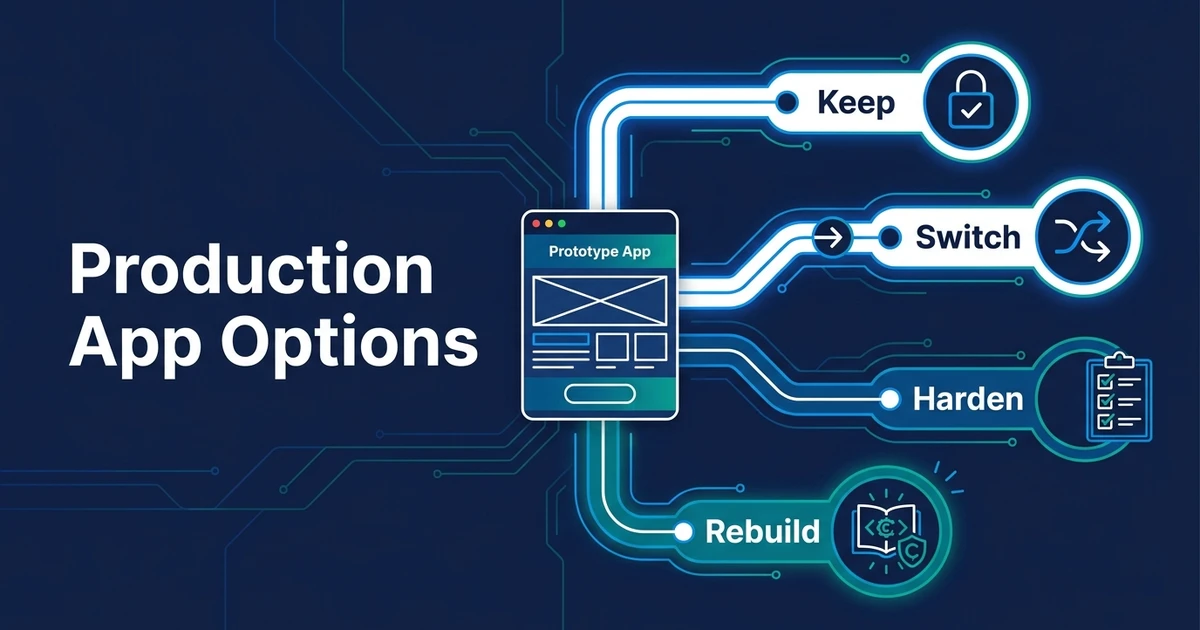
There are four credible paths. They are alternatives to a delivery problem, not four products that do exactly the same job.
| Path | Choose it when | Check before committing |
|---|---|---|
| Keep the current builder | The user flow is still changing and production controls can be verified inside the present setup | Ownership, access rules, backups, and release rollback |
| Move to another builder | The editor or workflow blocks iteration, but the app architecture can remain simple | Export, data migration, auth continuity, and operating limits |
| Harden existing code | The architecture is understandable and risks are localized | Test coverage, dependencies, secrets, data rules, and deployment |
| Selectively rebuild | Auth, tenant boundaries, or core transactions are wrong by design | Which screens and product logic can be retained |
If the obstacle is a slow editing loop, another builder may remove friction. If the obstacle is that account roles were never modeled correctly, changing the editor will not solve it. If the database and core transactions are sound, a full rewrite may discard useful learning.
Replit Agent and Bolt are two concrete builder candidates to trial if editing or delivery workflow is the blocker. Replit documents Git-based version control and GitHub import; Bolt documents building and publishing web apps. Those capabilities do not establish that either will meet your app’s tenant, billing, or rollback requirements. Run the same acceptance tests on a small migrated flow before switching.
Do not ask a vendor for a fixed answer before you provide evidence. Give them a repository or export, user roles, database schema, integrations, and the flows that handle money or private data. A credible recommendation will name the part to keep and the part to change.
What Must Be True Before a SaaS App Is Production Ready?
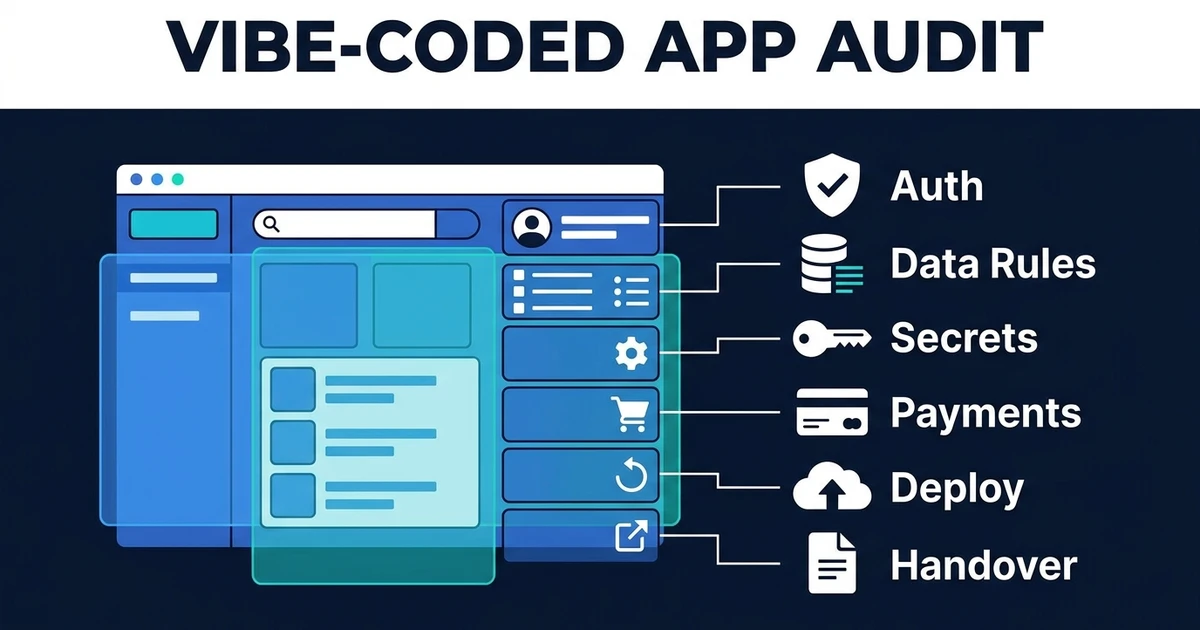
The acceptance test should describe behavior a customer can observe and risk an operator can control. It should cover more than the main screen.

- Accounts: An ordinary user cannot access another tenant’s records, files, or API actions.
- Transactions: Payment and subscription states reconcile when callbacks arrive twice or out of order.
- Data: You can back up, restore, and migrate records without losing ownership or history.
- Releases: A change can be tested, deployed, monitored, and rolled back by someone other than the prototype’s creator.
- Operations: Errors create a traceable alert with a named owner and a customer-safe response.
- Handover: Your company controls the repository, hosting account, database, configuration, and documentation.
DORA’s 2024 research found that greater AI adoption was associated with individual productivity gains while also showing estimated declines in delivery throughput and stability. The association is not evidence about a specific app builder. It is a reminder that faster code creation does not remove testing and release work.
If you need that work scoped, book a production-readiness scoping call. Bring the current app and your next release criteria; the useful output is a keep, harden, or rebuild decision tied to tested blockers.
How Would Each Path Handle a Live Customer Workspace?
Consider an illustrative B2B SaaS app with two customer organizations. Each has its own users, invoices, and AI-generated account dashboard. A founder can demonstrate both dashboards, but has not tested whether a user can request another organization’s invoice through the API.
The first test is tenant isolation. Create two test organizations and attempt to read, edit, export, and delete records across the boundary. Repeat for file URLs, background jobs, and AI retrieval. If one route fails, you may need an access-control repair. If every feature assumes a single shared workspace, the data model may need a deeper rebuild.
The second test is operational continuity. Export data, restore it into a test environment, replay a failed billing event, and release a change without interrupting existing users. If those tasks are possible and documented, hardening may preserve most of the product. If they depend on manual steps no one can reproduce, solve that operating gap before expanding sales.
The scenario is intentionally narrow. A sales demo cannot reveal the answer. A short engineering review can. That is where vibe-coded to production engineering helps: it turns a vague rebuild debate into a list of release blockers and reusable parts.
When Should You Keep the Current Builder and Fix the App?
Keep it when customer demand is still unproven and the current tool lets you test the core job safely. A rewrite will not improve product-market fit. It may delay the user feedback that should decide what the software becomes.
Keep it when the data model is clear, access tests pass, and the remaining problems are bounded: missing tests, inconsistent error messages, poorly documented deployment, or one fragile integration. Assign owners and fix those items. The builder is not the problem if the product can be operated and handed over.
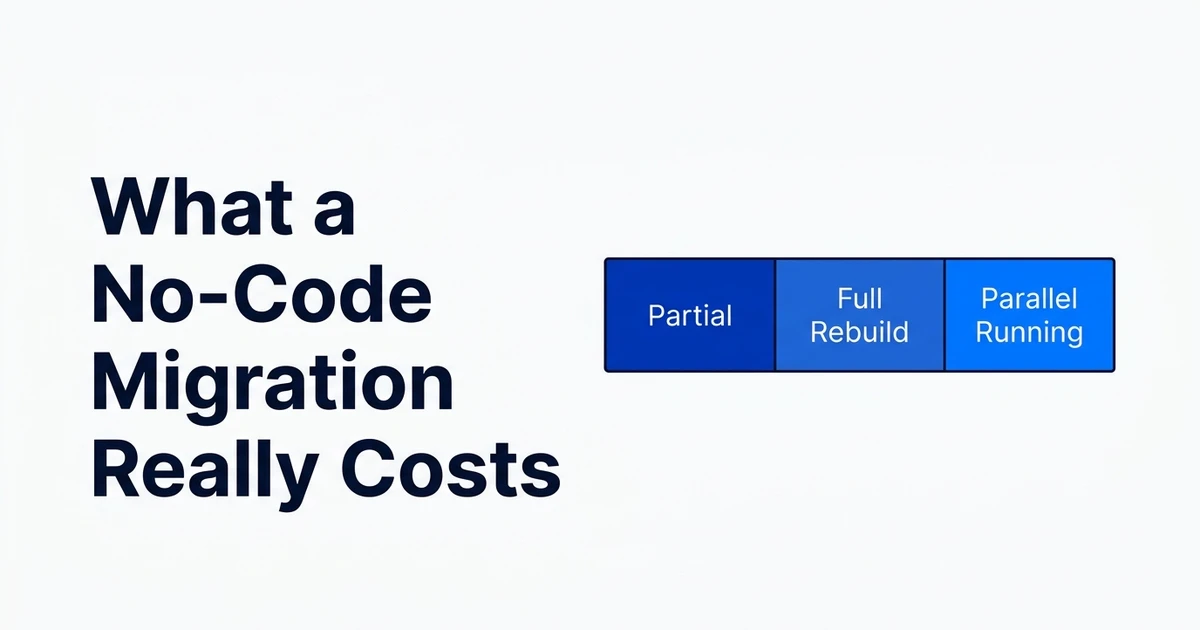
Move only when a requirement is truly blocked, such as a necessary deployment control, integration pattern, or data boundary that the current implementation cannot express or maintain. In that case, calculate the work by the critical path. A no-code migration cost breakdown is more useful than pricing the number of screens.
Who Should Own the Production Work and Handover?
The choice of team changes the risk more than the choice of editor. An in-house engineering team can own the roadmap and operations if you have senior capacity. An AI-builder specialist may be efficient for a bounded platform fix. For a freelancer-led proposal, confirm who owns architecture, reviews changes, and handles incidents after delivery.
A senior engineering partner should be accountable for architecture, testing, deployment, and handover. For a larger development team, ask who makes production decisions and supports the system after launch. Put those names and acceptance tests in the scope.
For a SaaS product with AI features, AI product and platform engineering should cover model behavior as well as ordinary software operations. Automiq AI’s role is to decide what to preserve from your prototype, build the missing production layer, and hand over an owned system. The evidence is a working release process, not a promise that every prototype needs rebuilding.
Frequently Asked Questions
What are the best AI app builder alternatives for production apps?
Another builder, hardening the current code, and a selective custom rebuild are all credible paths. The best choice depends on whether the blocker is the editing workflow, data model, access control, or release operations. Test the blocker before you migrate.
Are alternative production app builders safer by default?
No. A new vendor cannot certify the behavior of your specific application. Test tenant access, secrets, transactions, backups, and rollback in the actual build.
Can I keep the code from my AI-built prototype?
Usually there are screens and business rules worth keeping. An engineer should review the repository, dependencies, data access, and deployment process before deciding what is reusable. Ownership of code is only useful if another team can run and change it.
When should I rebuild authentication instead of hardening it?
Rebuild when identities and roles are modeled incorrectly across the product. If the design is sound but a few routes lack checks, focused hardening may be enough. Confirm with unauthorized access tests, including tenant-to-tenant requests.
Who maintains an AI-built SaaS app after launch?
Name an operator for releases, monitoring, backups, incidents, and dependency updates. Your team can own that work after a documented handover, or a partner can cover it for a defined period. Do not launch with maintenance assumed but unassigned.
Conclusion: Choose the Smallest Safe Path to Launch
The fastest-looking route is not always the shortest route to a product you can sell and support. Start with release evidence. Keep the current builder when it passes, harden the parts that fail locally, and rebuild only the layers whose design creates ongoing risk.
Book a production-readiness review with your repo, data model, and critical user flows. Automiq AI will turn those into a concrete keep, harden, or rebuild scope, including who owns the system after launch.